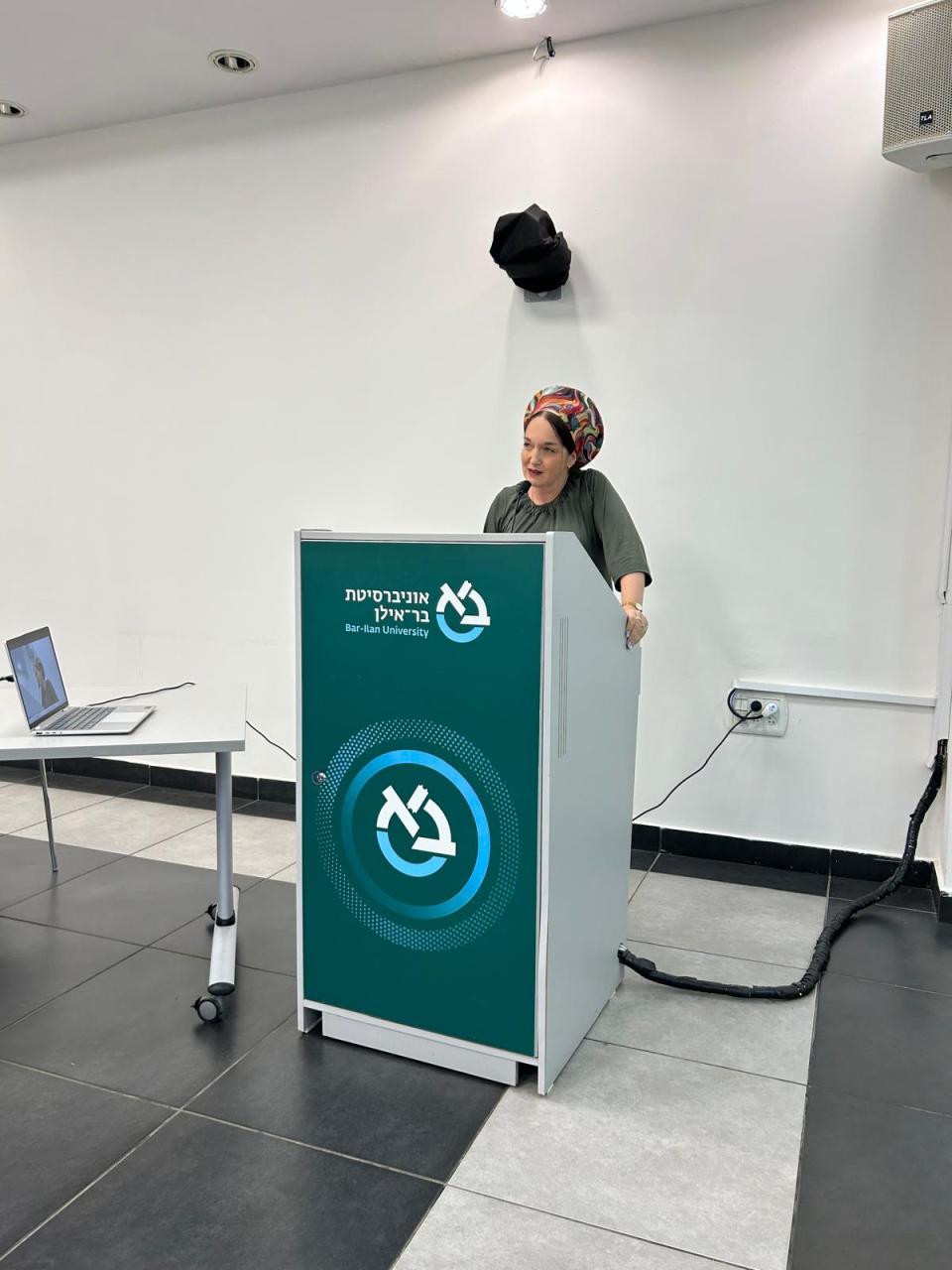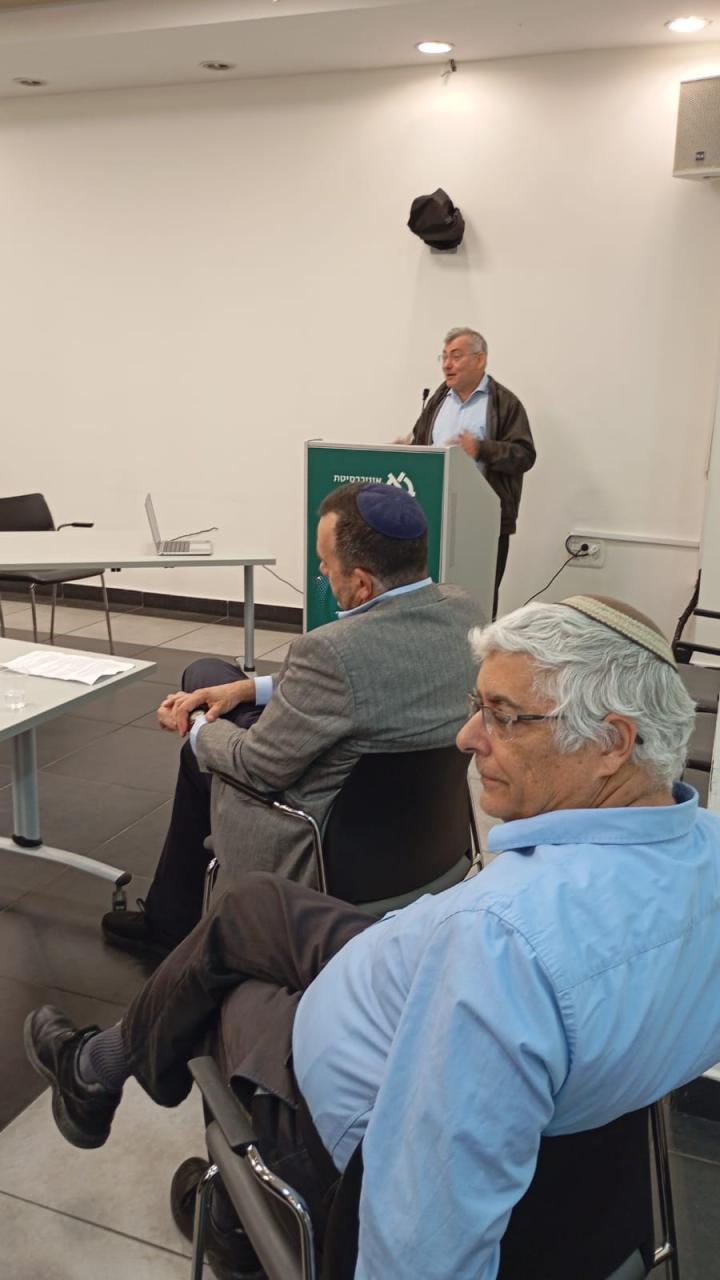


ד"ר יצחק ברויאר – הגות, פרספקטיבה וחידושה ב"אליהו" ǀ י' בכסלו, 30.11.25
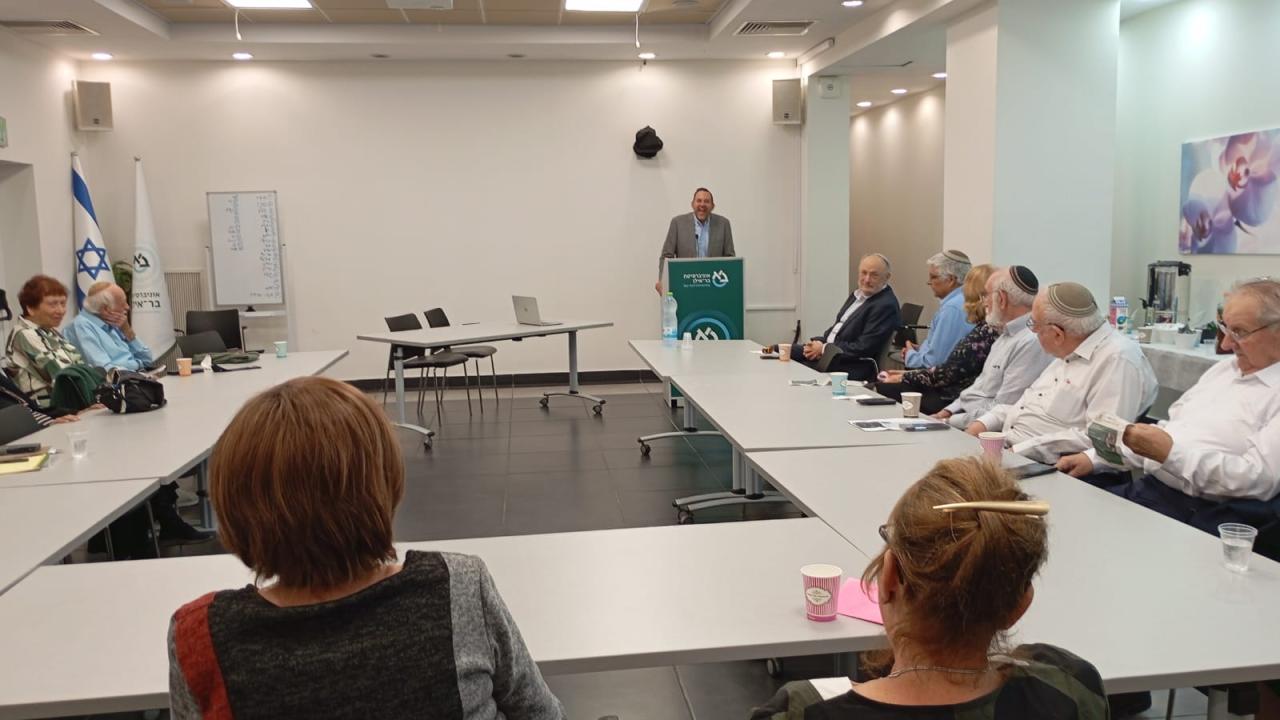
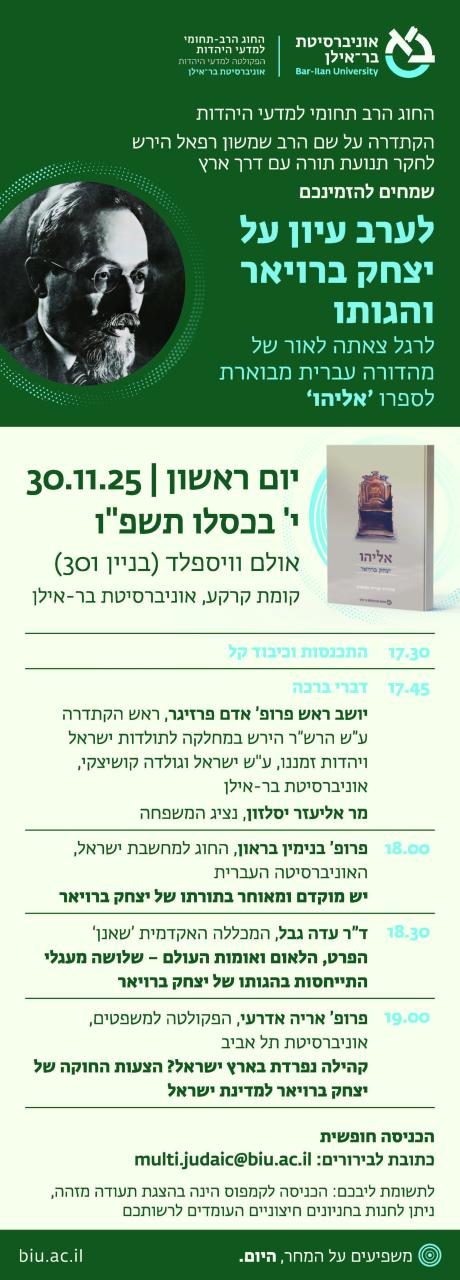
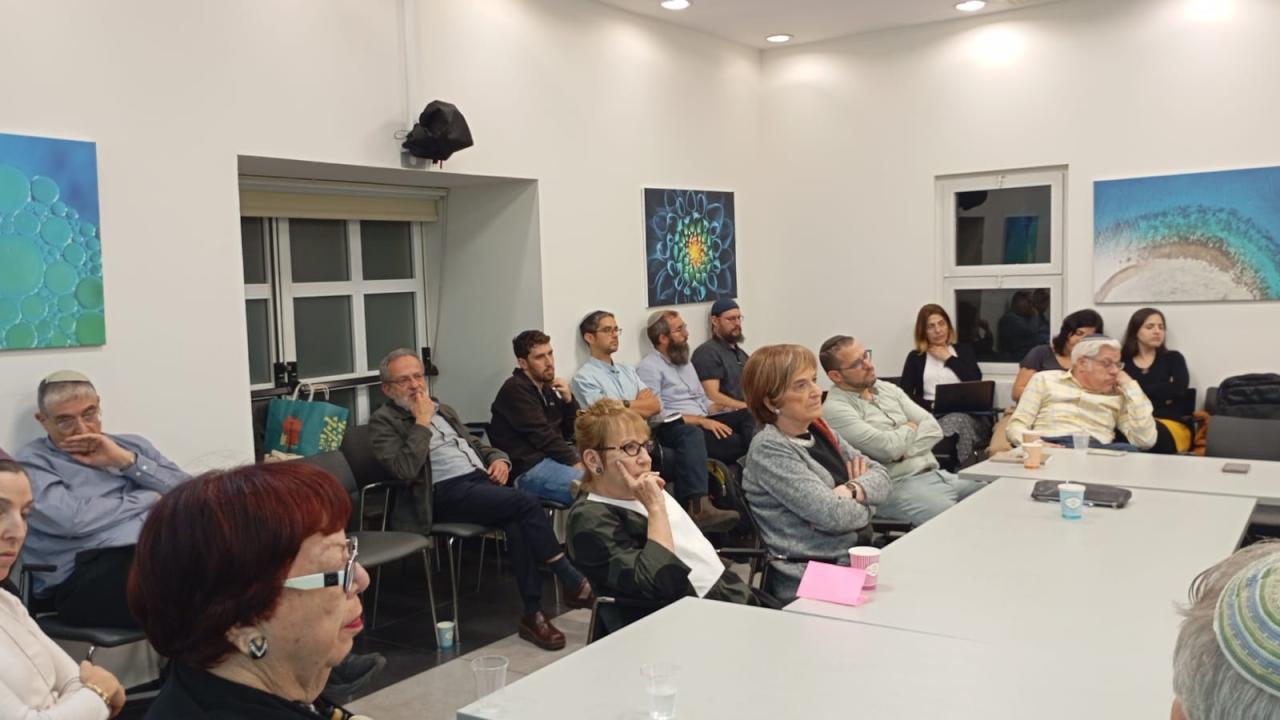
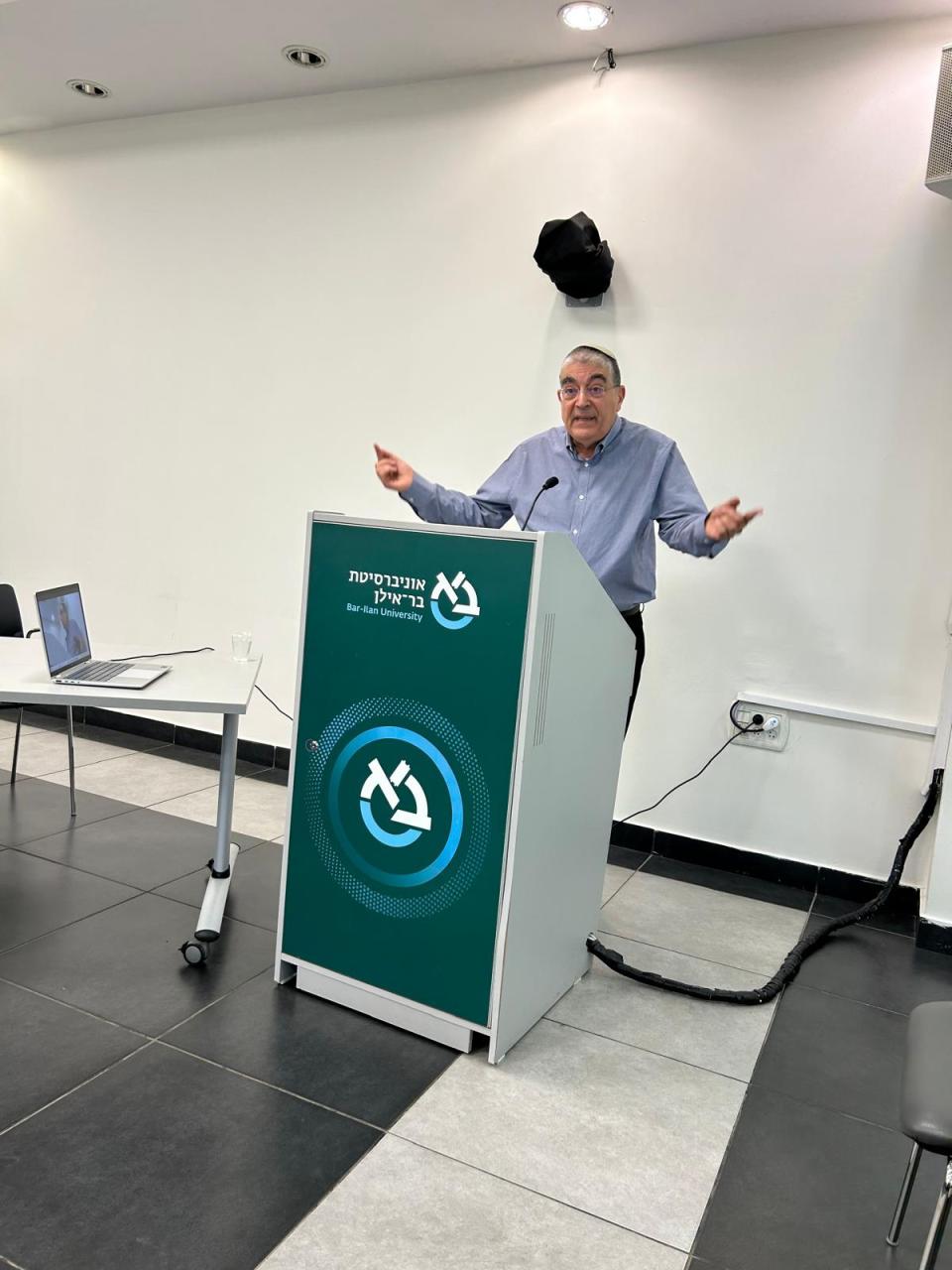
הערב הציג את חידושו של הספר "אליהו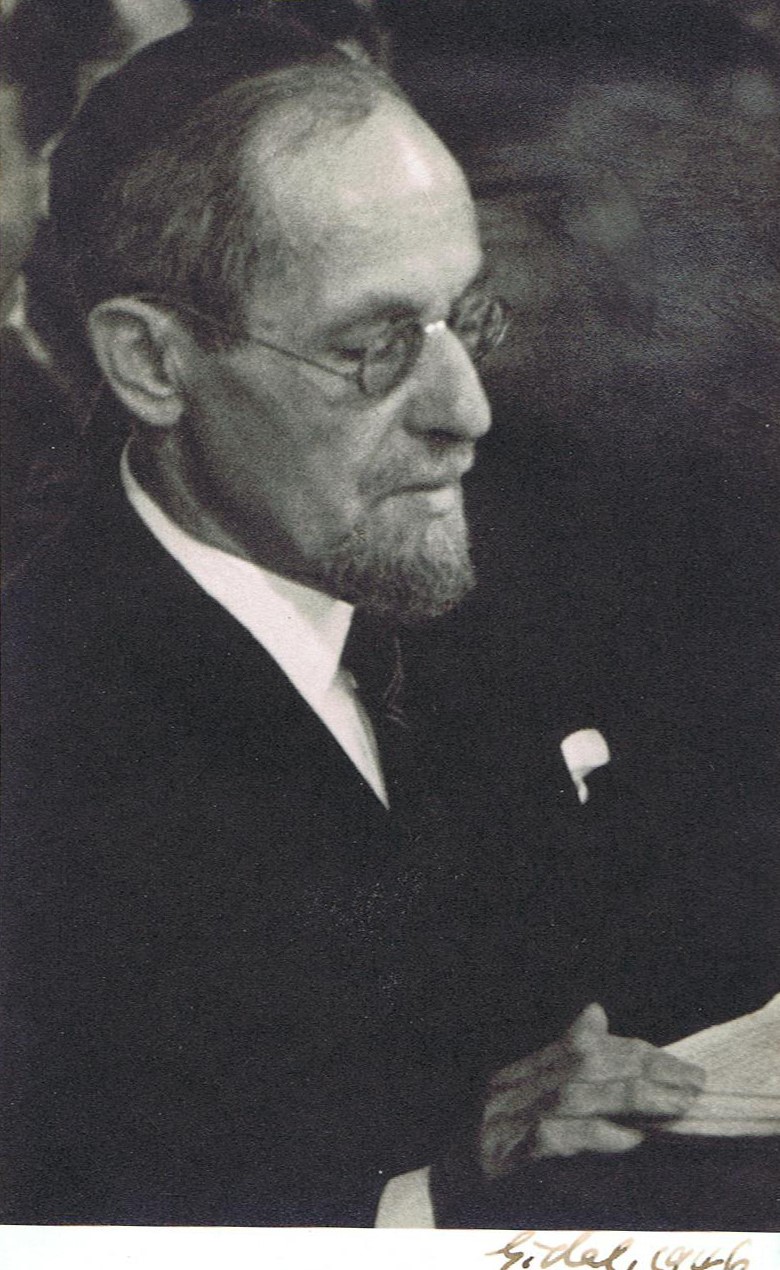 " כמפתח להבנת הממד האישי, התאולוגי והלאומי בהגותו של יצחק ברויאר, ואת התפתחות תפיסתו מן החריפות הפילוסופית המוקדמת אל גישה מורכבת, רכה ואקזיסטנציאלית יותר. ההרצאות הדגישו את המעבר הזה בשלושה תחומי יסוד: עיצוב הלאומיות היהודית, מקומו של הפרט, ויחסיו של העם היהודי עם אומות העולם.
פרופ’ אדם ס. פרזיגר ציין כי "אליהו" מציג צד נוסף בהגותו של ברויאר, המבליט ממדים רגשיים ואישיים יותר לצד כתיבתו הרעיונית.
מר אליעזר יסלזון, נציג המשפחה, התייחס לפער שבין השפה האקדמית המזוהה עם "ברויאר" לבין הזיכרון המשפחתי של "אבא ז״ל", והדגיש כי מחשבה רעיונית לעולם אינה מנותקת מן העומק האנושי שממנו היא צומחת.
פרופ' בנימין בראון עמד על תהליך ההתפתחות וההתרככות בהגותו של ברויאר בתקופה שבין שתי מלחמות העולם: מעבר מהדגשה פילוסופית חדה של חוק, מסגרת ותבניות מחשבתיות — לעבר פתיחות גדולה יותר למושגים של רגש, תלות, אהבה ומשמעות קיומית, המשתקפים בבירור באליהו.
ד"ר עדה גבל הציגה מסגרת מושגית לשלושת מוקדי ההגות המרכזיים של ברויאר — הפרט, הלאום ואומות העולם — והראתה כיצד הוא שוזר ביניהם מתוך זיקה עמוקה לרעיון "עם של חוק". היא הוסיפה הקשר מחקרי עכשווי העוסק בלידות שקטות, המאיר את הרקע האישי לכתיבת אליהו ואת הדרך שבה חוויה קיומית פרטית הופכת אצל ברויאר למנוף של עיון תאולוגי בעל משמעות רחבה.
פרופ' אריה אדרעי בחן את היחס בין כתיבתו הגרמנית של ברויאר לבין שנותיו בארץ, והראה כיצד המציאות בארץ וחיי היישוב הובילו אותו לעיין מחדש בחלק מהנחותיו בנושאי ציונות, מדינה ותפיסות פוליטיות. מהלך זה אינו מצביע על היפוך אידיאולוגי, אלא על הגות הנענית באופן מושכל לאתגרי הזמן והקשר ההיסטורי המשתנה.
להקלטה המלאה מהכנס
Evening Symposium on the Thought of Dr. Isaac Breuer
The Multidisciplinary Department of Jewish Studies at Bar-Ilan University hosted an evening dedicated to the thought of Dr. Isaac Breuer, marking the publication of the new Hebrew edition of Eliyahu. The program highlighted the enduring relevance of Breuer’s writings, which continue to raise essential questions about nationalism, law, morality, social responsibility, and the place of the individual.
Prof. Adam S. Ferziger, Director Rabbi Samson Raphael Hirsch Chair for Research on the Torah with Derekh Erez Movement, discussed how Eliyahu reveals a different, more intimate dimension of Breuer’s thought.
Mr. Eliezer Jeselsohn, representing the family, reflected on the contrast between Breuer’s academic voice and the personal legacy preserved within the family, emphasizing the human depth behind the intellectual oeuvre.
Prof. Benjamin Brown traced the development of Breuer’s ideas between the two world wars—from a sharply defined philosophical emphasis on law, structure, and conceptual rigor to a greater openness toward themes of emotion, dependence, love, and existential meaning, all of which emerge prominently in Eliyahu.
Dr. Ada Gebel presented a conceptual framework for Breuer’s three core spheres of thought—the individual, the nation, and the nations of the world—and showed how Breuer weaves these realms together through a deep commitment to the idea of “a people of law.” She also highlighted recent research on stillbirths, offering context for the personal tragedy underlying the composition of Eliyahu and illustrating how private grief becomes, for Breuer, a catalyst for constructive theological reflection.
Prof. Arye Edrei contrasted Breuer’s German writings with his later years in Palestine, demonstrating how the lived reality of the Yishuv shaped—and at times softened—his views on Zionism, statehood, and political structures. This evolution does not signify an ideological reversal but rather a reflective engagement with the challenges of a new social and historical context.
The evening illuminated the ongoing significance of Isaac Breuer’s thought, not only for understanding past intellectual history but also for informing contemporary discussions about Jewish collective identity and the shaping of Jewish society in the modern State of Israel.
We thank Prof. David Henshke, whose initiative and whose father’s translation made the event possible.
A link to the full recording of the event